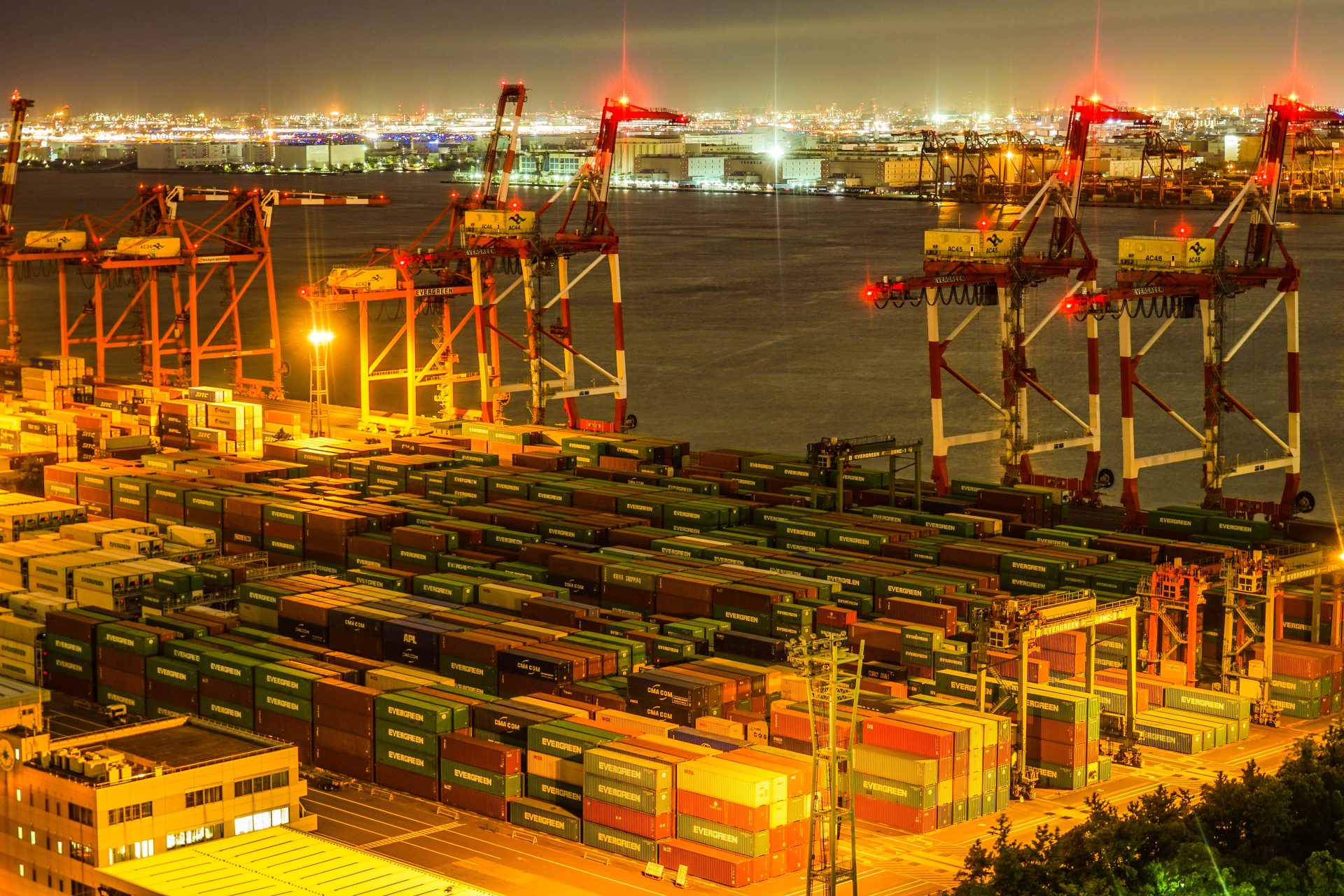

USD 18.5 billion in non-oil and non-mining exports boost private investment in port capacity
and technology
Between January and September 2025, Ecuador’s non-oil and non-mining exports totaled
USD 18.521 billion, up 18% from the previous year. In volume, shipments reached 9.49
a million tons, a 9% increase, demonstrating that the country’s productive and logistics
capacity is responding to rise in global demand.
Growth is driven by agro-industry and fisheries: shrimp, cocoa and derivatives, bananas,
plantains, canned fish, and flowers remain the main pillars of the export basket, with the
European Union, the United States, and China as key destinations. Behind these figures are
supply chains that depend on agile ports, refrigerated cargo capacity, and increasingly
digitalized administrative processes.
This export momentum is already translating into more investment in port infrastructure.
Private terminals—Naportec, Terminal Portuario de Guayaquil, Fertisa, QC Terminales,
and Store Ocean—plan to invest around USD 208 million between 2026 and 2030 in
expansions, equipment, and new technology. Naportec and TPG account for more than half
of that amount, with projects to extend docks, reinforce electrical infrastructure, and handle
larger vessels with improved operating times.
For Ecuador, the combination of rising export volumes and port modernization is strategic:
shorter waiting times, better handling of refrigerated containers, and lower logistics costs for
sensitive products such as shrimp, bananas, cocoa, flowers, and tuna. With a modernizing
port network and a diversified export supply, the country strengthens its role as an
agro-export platform in the South Pacific and prepares to compete in a global market that
demands efficiency and technological sophistication
Rising Exports Drive Port Modernization in Ecuador