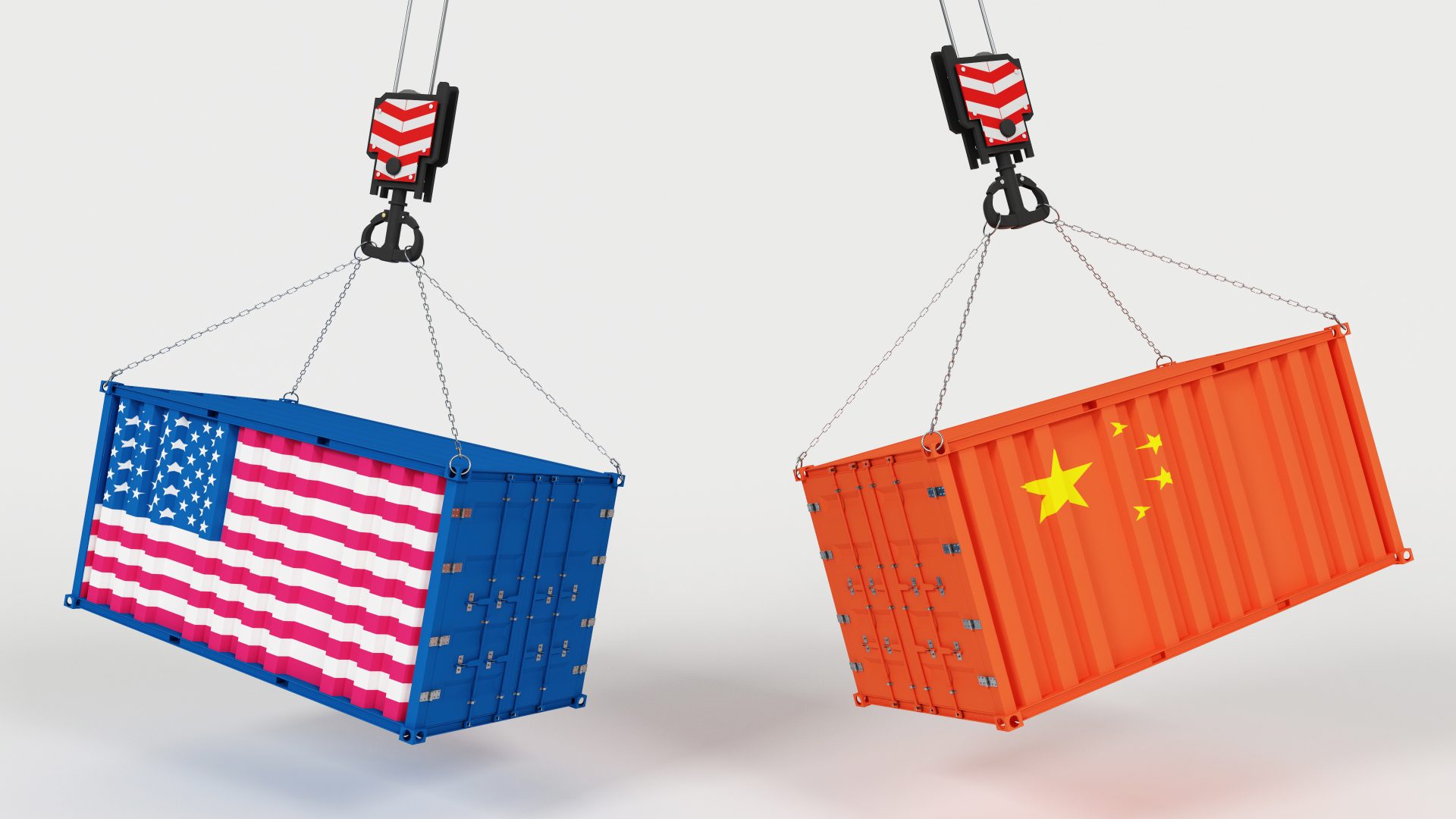

The temporary easing of measures stabilizes maritime routes and offers short-term relief to
shippers
The United States and China reached a temporary understanding that eases part of the
commercial measures that had strained maritime transport in recent months. The package
includes reductions of certain U.S. tariffs linked to security and strategic trade, a one-year
suspension of rules that increased costs for vessels linked to China, and a freeze on
provisions affecting producers of minerals and technological components. In turn, China
lifted retaliatory tariffs, loosened licensing requirements for sensitive exports, and resumed
agricultural purchases, reducing regulatory friction on both sides.
The immediate effect has been a partial return to operational normalcy: clearer itineraries,
fewer restrictions on port calls, and greater vessel availability—especially in crude transport.
This has triggered short-term declines in certain freight rates and enabled more predictable
planning for shipping lines, which had faced surcharges and route deviations.
However, the truce has limits. Demand in trans-Pacific trade remains soft, volumes between
China and the U.S. are still below last year’s levels, and additional vessel capacity is
expected to enter the market in 2026, potentially amplifying oversupply. As a result, while the
agreement reduces pressure and stabilizes the short term, it does not resolve the structural
factors behind sector volatility.
For Ecuador—whose logistics depend heavily on maritime services to Asia and the U.S.
West Coast—this easing offers a chance to adjust costs and reduce transit times. Shrimp,
banana, cocoa, and tuna exporters can benefit from more stable schedules to renegotiate
freight rates, secure flexible contracts, and combine direct routes with regional
transshipment options. Companies should also review tariff classifications and technical
documentation as U.S. security-related rules evolve.
On the import front, sectors that source machinery, electronics, or production inputs may
benefit from less restrictive licensing, though it remains prudent to maintain coverage and
alternative logistics in case more stringent measures return once the truce expires.
For port operators, the recommendation is to accelerate digitalization, improve
refrigerated-container turnover, and optimize clearance processes to capture efficiencies as
competition for vessel space potentially intensifies. In an uncertain global environment, a
flexible logistics strategy and contracts with room for adjustment can make the difference in
sustaining Ecuador’s trade competitiveness
U.S.–China Agreement Eases Tensions and ReordersGlobal Logistics