

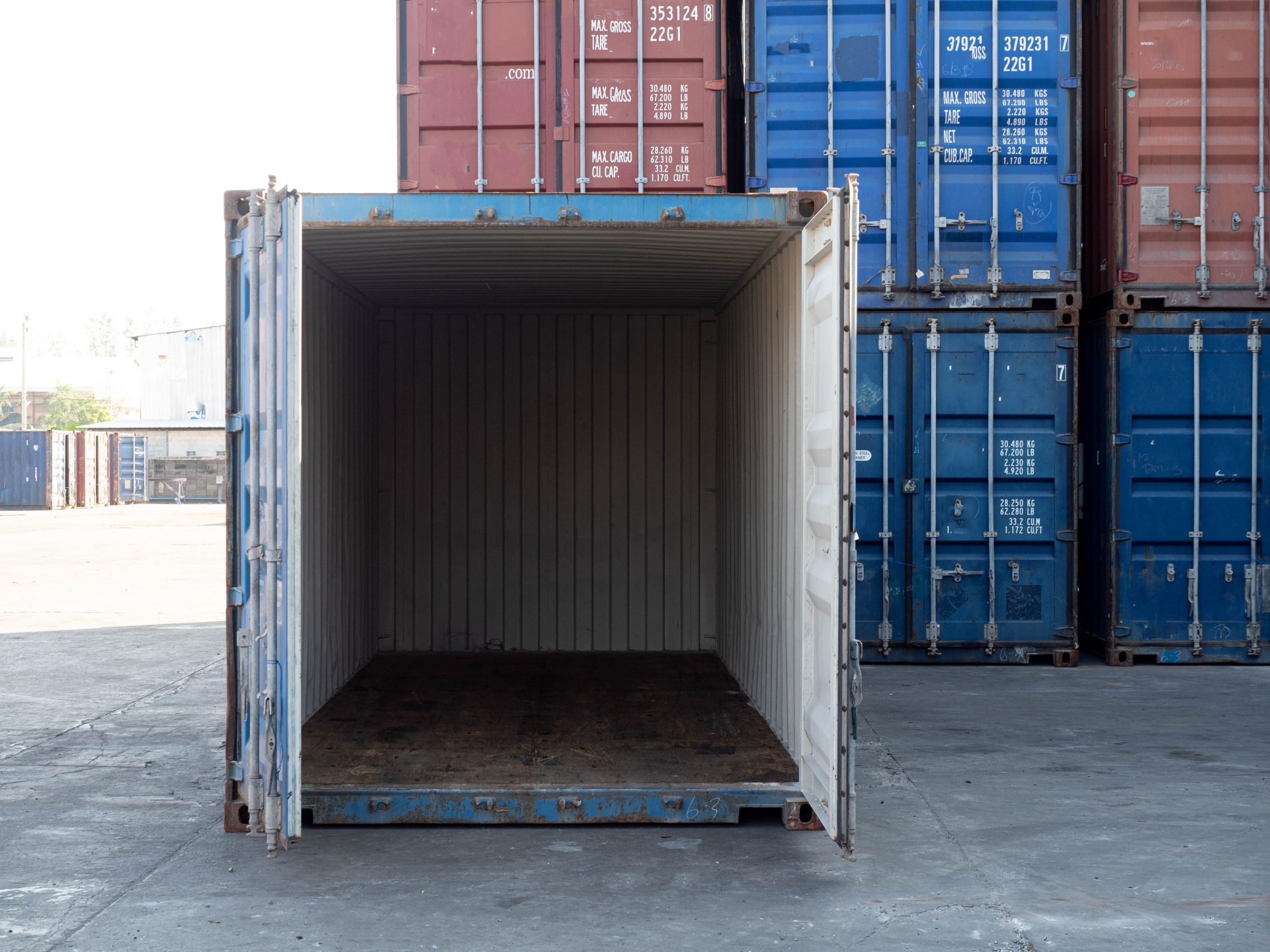
An Ecuadorian exporter operating with all protocols in order, with valid certifications, and a documented chain of custody can receive a notification from Rotterdam or Antwerp stating that their container has been detained. Not because they did anything wrong, but because it departed from Ecuador. This is the central problem that cargo contamination poses in 2026: risk is not generated solely by whoever bears direct responsibility. It is generated by the logistical ecosystem in which they operate, and that ecosystem begins long before the port.
The Origin of Vulnerability: Farms and Transport
Ecuadorian police estimate that around 70% of contraband cocaine in export cargo is introduced on the farms or during the transport of containers to the ports.
A study commissioned by the European Commission determined that 68% of cocaine contamination leaving the ports of Guayaquil and Machala is hidden inside the export products themselves, with bananas and agricultural products being the primary vehicle. The implication for any exporting CEO is direct: the legal and reputational responsibility for the chain of custody does not begin at the departure dock. It takes root right from the packing line, from the farm yard, and from the very first truck that leaves with cargo heading toward the port.
Seizure Statistics and Residual Risk
In 2025, the National Police executed 8,876 anti-drug operations and seized more than 211,000 kilograms of controlled substances nationwide, of which 96 tons were specifically intercepted at origin port terminals prior to departure.
Ecuador remains among the top three countries with the highest volumes of cocaine seizures globally, according to the UNODC, reflecting a real operational capacity in local ports. What this effort does not eliminate is the residual risk: the drugs that slip through generate post-departure alerts while the ship is already at sea, and those alerts arrive in Rotterdam or Antwerp with the container in the water. For the exporter whose cargo is traveling on that vessel, the difference between a seizure at origin and an alert in transit does not change the outcome: their container falls under suspicion at the destination port.
Shipping Line Dynamics and Risk Profiles
The redistribution of drug trafficking among port terminals is not accidental: it follows the movements of shipping lines. When Maersk moved its operations from Contecon to DP World Posorja and MSC moved to Naportec, contamination attempts migrated along with cargo volumes.
For an exporting company, this means that their container’s risk profile is not static: it depends on what they export, which carrier they hire, which terminal it departs from, and which shipping line it travels on. A company that does not monitor these changes operates without real visibility over its exposure, even if it believes it has it.
Financial Impact and Competitive Disadvantage
There are exporting companies that have disappeared from the market not due to complicity, but due to the inability to bear legal costs, the loss of shipping quotas, and the brand damage caused by a single discovery at destination ports. The cost of mandatory scanning already represents an impact of tens of millions of dollars annually for the export sector, in markets where port security is a public good assumed by the State, placing Ecuador’s exportable supply at a direct competitive disadvantage.
Mitigation Strategies for the Export CEO
For an export CEO, the goal is no longer to prove that their company is honest. It is to guarantee that they can prove it documentarily in less than 24 hours upon request at a destination port.
BASC and OEA certifications are not off-the-shelf commercial assets: they are the operational argument available when an inspector detains a container or when a European buyer reviews the risk profile of their suppliers by country of origin. To mitigate this, a permanent protocol must be established based on:
- Visual Evidence: Photographic documentation of the consolidation and sealing process.
- Origin Custody: Chain of custody records from the farm or the plant.
- Route Traceability: Traceability of who had access to the container at every point along the route.
This body of evidence is not built when the inspection arrives. It is built beforehand, as a permanent protocol. A company that does not have this organized negotiates at a disadvantage, regardless of whether its cargo is clean.